
Six Acoustic Mistakes in Television Studios and How to Avoid Them
Daniel Okafor walks through the errors we meet most often when studios are treated and wired for sound, from foam in the wrong place to talkback left until last.
6 minutes to read
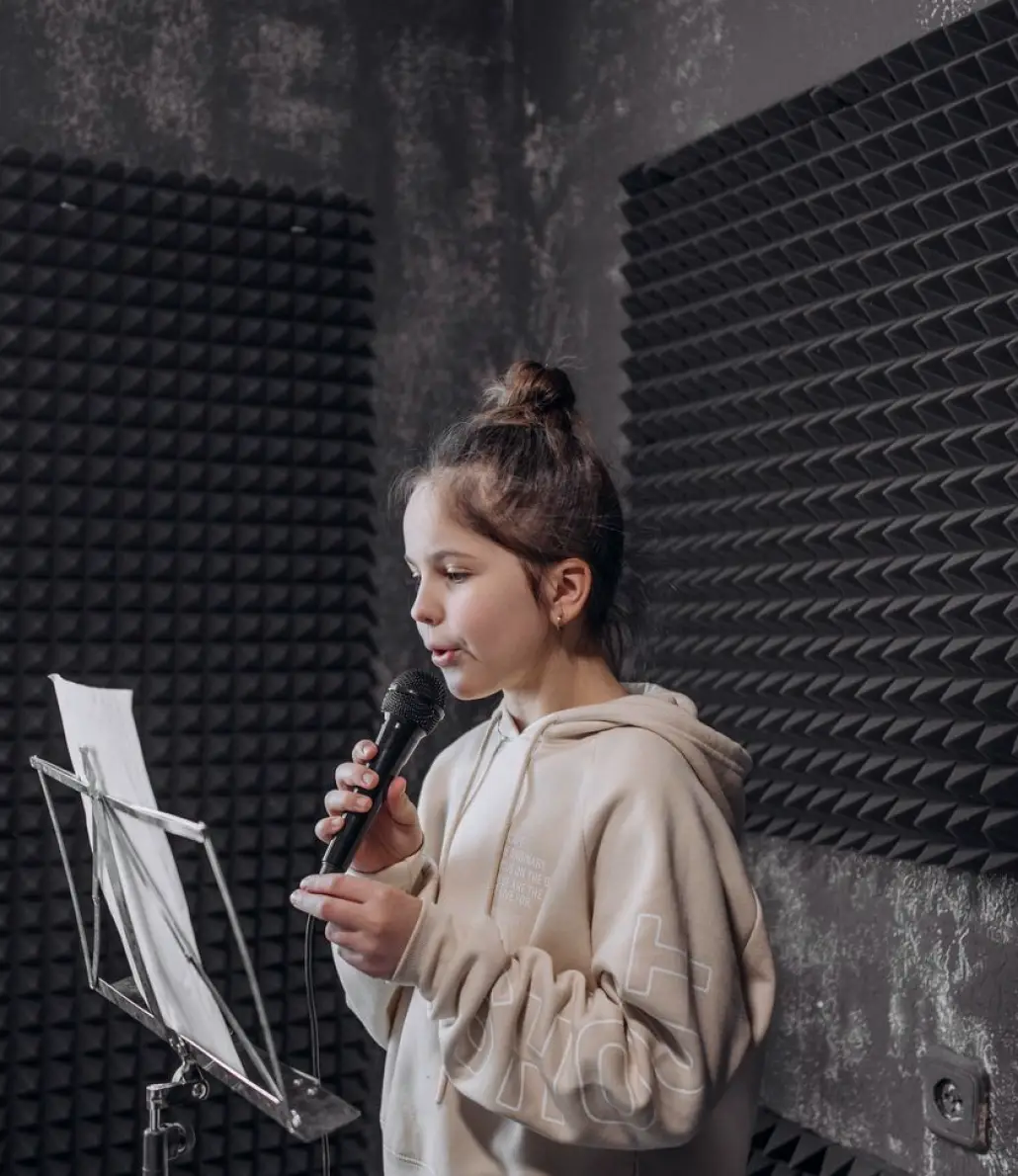
Treating the walls and forgetting the ceiling
The most common mistake I see in a new or converted studio is a neat row of panels at head height and nothing above. A television studio is usually tall, with a lighting grid hanging in the roof space, and the ceiling is the largest reflective surface the microphones can hear. Sound travels up, bounces off the hard soffit and comes back as a wash that makes speech sound distant, however good the microphone is.
When we survey a room we clap, speak and play a test tone from the presenter positions, then listen from where the booms and lavalier microphones will actually be. Ceiling reflections show up quickly this way. The remedy is rarely a full blanket of material. Absorbent clouds or baffles between the lighting bars, sized to the problem, often do far more than another wall of panels.
- Test with the real presenter positions, not the middle of the room
- Look up before you look sideways
- Leave space for lighting bars and cable routes when placing baffles
Using thin foam and expecting it to do everything
Thin acoustic foam is cheap and easy to fit, which is why it turns up everywhere. It absorbs high frequencies reasonably well and does very little for the low, boomy energy that makes a voice sound muddy. A studio covered in it can feel strangely dead at the top end while still ringing underneath, and presenters often describe it as stuffy without knowing why.
We specify denser mineral or fibre-based absorbers of suitable depth, mounted with an air gap where the room allows, so that the treatment works across the speech range. Foam still has a place for taming small flutter echoes, but it should be a finishing touch and not the whole plan. The measurement afterwards matters as much as the material, so we check the room again once the panels are up.
- Match material depth to the frequencies you need to control
- An air gap behind a panel improves its low-frequency work
Sealing the room but leaving the noise in
Absorption and isolation are different jobs, and mixing them up is expensive. Panels on the wall improve how the room sounds inside; they do almost nothing to stop a corridor, a loading bay or a ventilation fan from reaching the microphones. Many studios in converted warehouses or venues fight this for years, turning gain down and asking crews to wait for a van to pass.
The first step is to find the sources. Air handling is the usual culprit: grilles that whistle, ducts that carry fan noise straight into the studio, and units mounted on the same structure as the floor. Door seals and cable penetrations come next. Fixing those leaks is often cheaper and more effective than adding mass to a wall, and it should happen before decorative treatment is finished.
- Identify noise sources with the studio empty and the air handling running
- Check door seals and cable gaps before adding mass
Choosing microphones before the room is known
Buying microphones early feels like progress, but the right choice depends on the space, the set and the style of programme. A highly directional shotgun on a boom works well in a dry, controlled room and badly in a lively one. Lavaliers solve some problems and create others when presenters wear heavy fabrics or move quickly between positions.
We prefer to agree the treatment, the set layout and the working method first, then choose and test microphones on the real set with the real presenters. It is common to find that two models sound very different on the same voice at the same desk, and a short listening session saves a long argument later. Keep the receipts and the specifications, but trust your ears on the day.
- Test two or three options on the actual presenters
- Decide boom, lavalier or mixed use before ordering
Leaving talkback and cue routing until the end
Talkback is the quiet part of a studio audio system and the one that causes the loudest problems in a live broadcast. If the director cannot reach the floor manager, or the presenter hears the gallery in their earpiece at the wrong moment, the programme suffers however good the microphones are. These routes are often left to the final week because they feel simple.
In practice each person in the chain needs the right mix: programme sound, a clean cue line, and the ability to speak to the right group without interrupting others. We draw the intercom and monitoring routes alongside the microphone plan, label every path, and test them with the full crew present. A working talkback system is mostly good drawing and patient checking, not expensive hardware.
- Draw talkback and monitoring routes with the microphone plan
- Test with every role in place, including the floor
Skipping the rehearsal listen
A studio can measure well and still sound wrong to the people who work in it. The final mistake is to hand the room over after a technical test without a proper listening rehearsal. Presenters read aloud, guests sit down, doors close, someone wheels a camera across the floor, and the sounds that matter reveal themselves.
We schedule a rehearsal with the production team, record it, and play it back in the gallery on the monitors the crew will use. Small adjustments follow: a panel moved a metre, a gain structure corrected, a squeaky pedestal oiled. These changes are minor but they decide whether the first live show feels calm. Write down what you find, because the notes become the maintenance list for the following season.
- Record the rehearsal and listen back in the gallery
- Keep a written list of fixes and who owns each
Most acoustic problems in a television studio come from doing the right things in the wrong order. Survey the room, find the noise, treat the whole space including the ceiling, choose microphones on the real set, plan talkback with the same care and finish with a proper listening rehearsal. Do that and the audio fades into the background, which is exactly where the audience wants it.
Keep reading
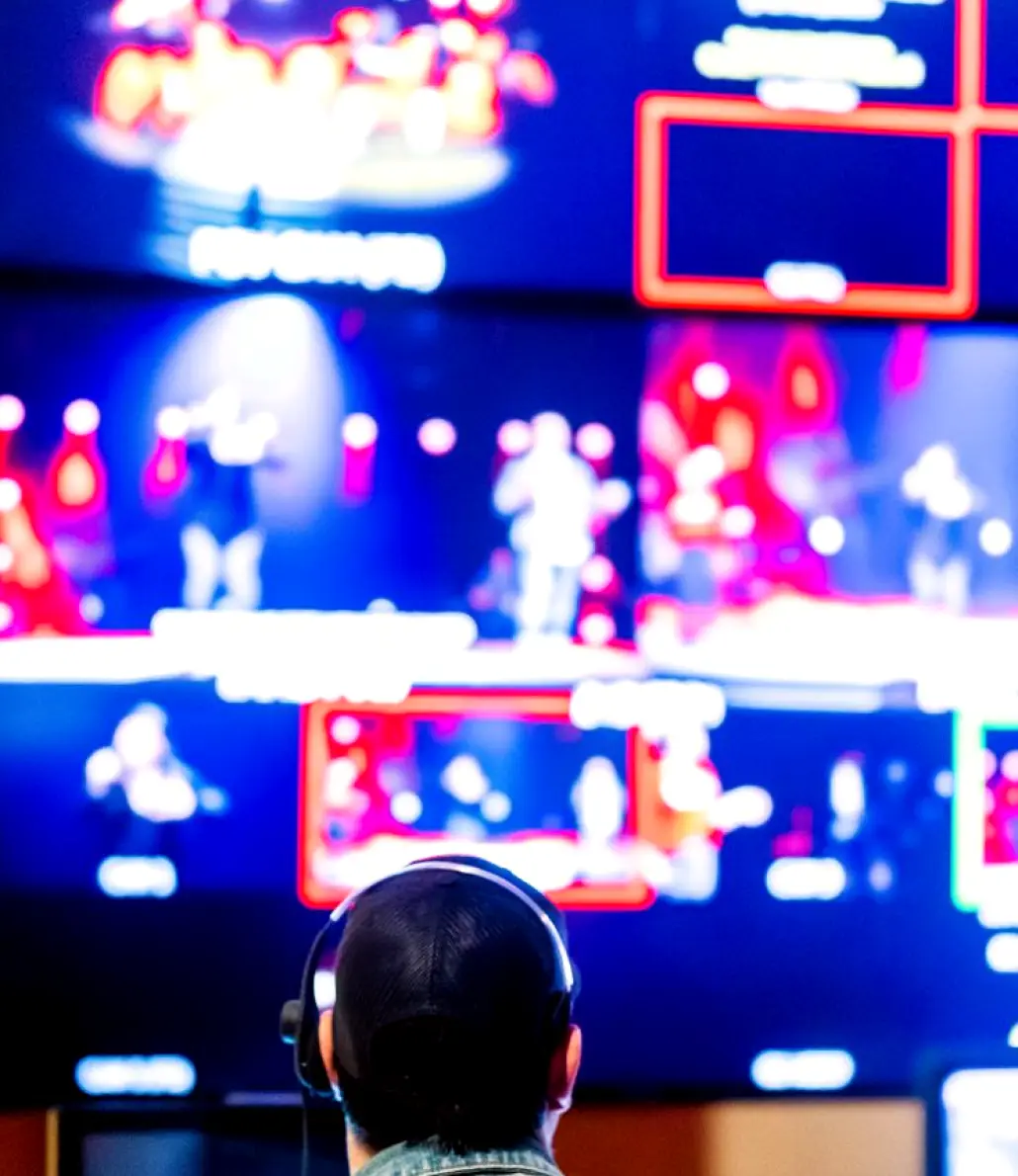
Lighting the Studio Through the Darker Months: An Autumn Checklist
As daylight fades and schedules fill, studio lighting deserves a proper check. Daniel Okafor sets out what to review on LED rigs, control desks and set backgrounds before winter broadcasting.
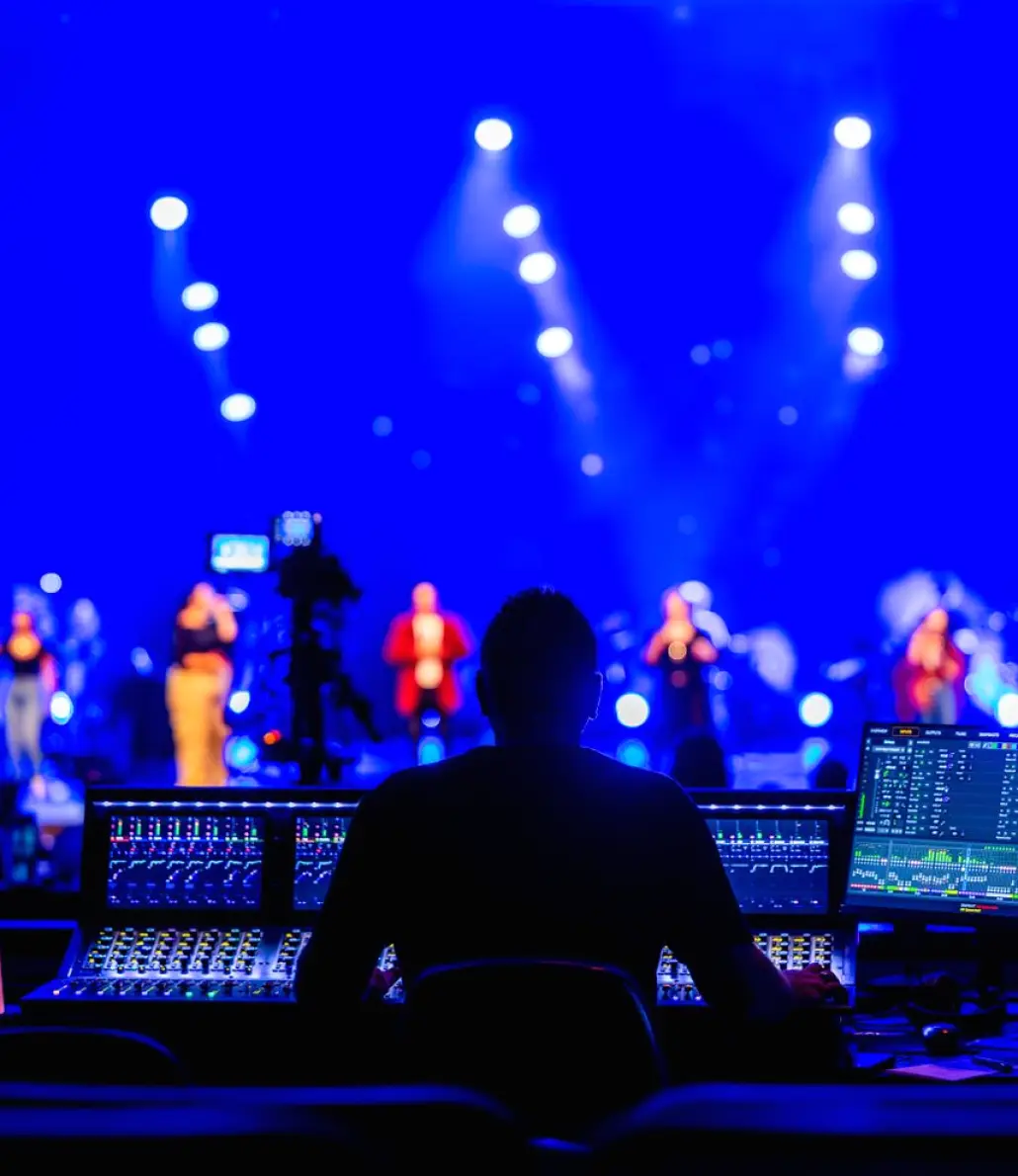
What a Call Time Really Means for a Live Show Crew
A call time is not the hour the broadcast starts. Tom Fletcher explains what the term covers, why crews arrive when they do, and how it shapes a day on a live interview or panel show.
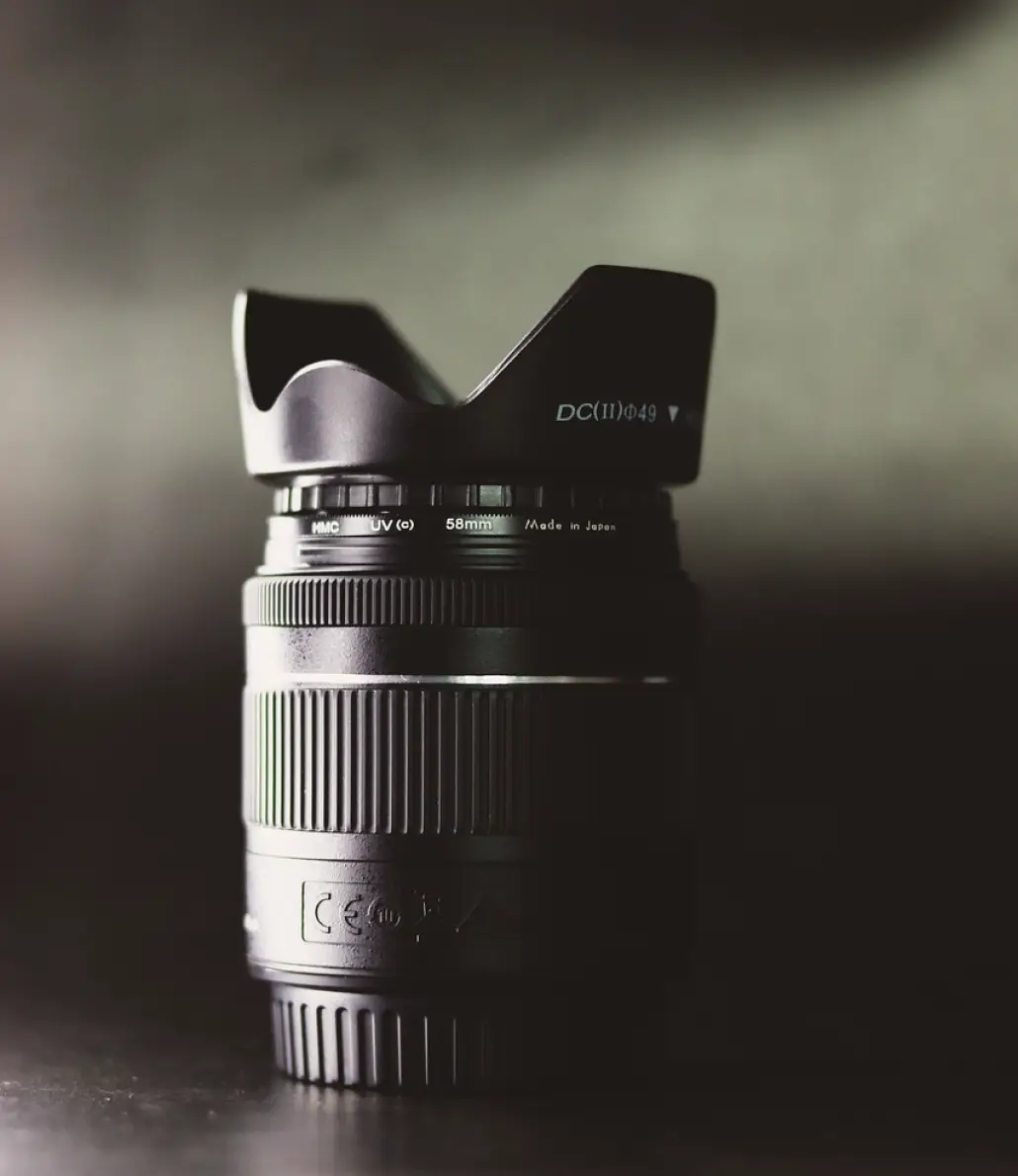
Testing the Gallery as One System Before the First Live Show
Control room layouts, intercom, graphics and playout are wired and rehearsed together at fameova before a studio goes on air. Tom Fletcher explains how that joint testing runs.
Send us a message
Email: [email protected]