
Lighting the Studio Through the Darker Months: An Autumn Checklist
As daylight fades and schedules fill, studio lighting deserves a proper check. Daniel Okafor sets out what to review on LED rigs, control desks and set backgrounds before winter broadcasting.
6 minutes to read
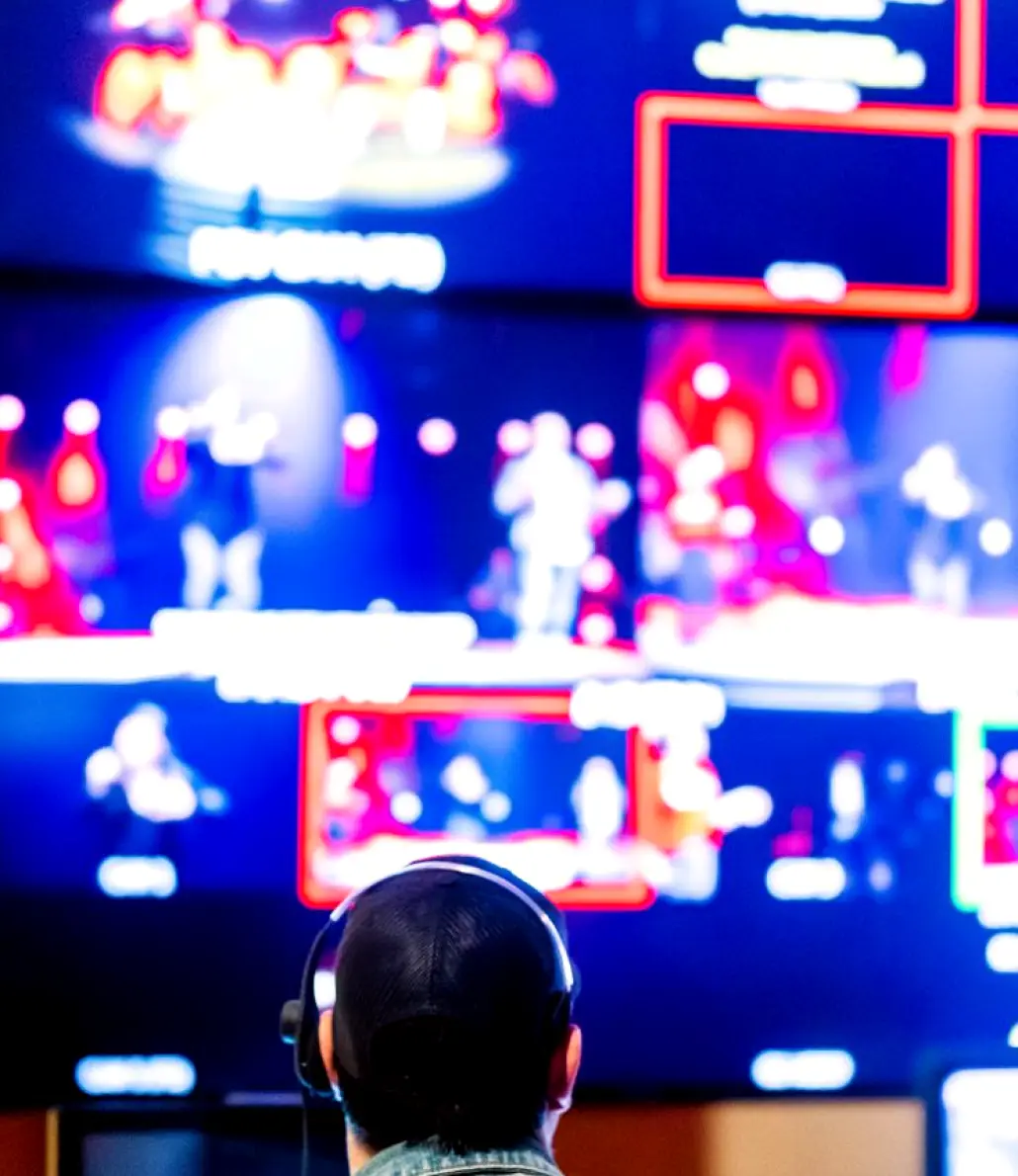
Why autumn is the time to look up
Most studios only think about their lights when something goes wrong on air. Mid autumn is a better moment. Programme schedules are settling after the summer break, news output is about to get heavier, and the weeks ahead bring more evening recordings, more guests arriving in dark coats and more demand on every fixture in the grid. A rig that coped quietly in July can show its age once it is switched on for ten hours a day.
I write this as the person who signs off signal flow and cabling on our builds, and I have learned to treat lighting as part of the same discipline. It is power, control data, heat and mounting, all of which can be checked on paper and on a ladder long before a presenter sits down.
The aim of this note is modest: a short seasonal review you can carry out with your own crew, so that Priya's design intent, or your own, is still what the cameras see when the dark evenings arrive.
Check the rig before you touch the look
Start with the physical state of the fixtures rather than the picture. Walk the grid with a torch and a notebook. Look at clamps and safety bonds, at cable strain where leads leave the fixture, and at dust on fans and vents. LED units run cooler than the old tungsten lamps, which is a large part of their appeal, but cooling fans and heat sinks still clog, and a unit that runs warm will drift in colour and sometimes dim itself to protect the electronics.
Write down any fixture that behaves differently from its neighbours: a flicker at low levels, a fan that has become louder, a unit that takes longer to come up. Small differences are easier to deal with now than during a live bulletin.
If your control desk stores scenes, confirm they still recall correctly. Firmware updates, swapped fixtures and changed addresses can quietly alter a saved look, and it is better to find that during a quiet afternoon than at the first rehearsal of the new season.
- Clamps, safety bonds and cable strain relief
- Fans, vents and heat sinks free of dust
- Fixtures that differ from their neighbours
- Saved scenes recalling as expected
Faces first: skin tones in lower daylight
If your set has a window, a glazed entrance or a daylight-fed backdrop, the balance of that natural light changes noticeably from now on. Colour temperature shifts, the level drops earlier in the afternoon, and a studio that relied on a little help from outside can look flatter or cooler than it did in summer.
Reset your key and fill relationships with a presenter in the chair, not a stand-in on a mark, and look at the monitor rather than the room. Faces are the one thing the audience judges instantly. Aim for soft modelling, a gentle separation from the background and no hot spots on foreheads or glasses.
Winter clothing brings its own problems: dark wool absorbs light and bright scarves can pull exposure. A short test with a few typical outfits tells you more than any meter reading, and a small trim to the key level is usually all that is needed.
- Reset key and fill with a real presenter in position
- Judge from the monitor, not from the room
- Test dark and bright clothing before the first show
Keep the background clean and the heat low
A clean background means light where you want it and none where you do not. Check that your set lighting is not spilling onto the desk front, the floor or the edges of the cyclorama, and that practical lamps and screens on the set are matched in colour to the rest of the rig. Mixed colour temperatures are common after bulbs and fixtures have been replaced piecemeal over the year.
Heat matters more in cold months than people expect. Studio doors are kept shut, heating comes on, and a room full of people, monitors and fixtures can become uncomfortable quickly. LED rigs help, but only if they are used sensibly: avoid running everything at full output when a lower level with a slightly wider camera aperture does the same job.
A cooler, steadier room is kinder to guests and to equipment, and it keeps the air in the studio calm enough for the microphones as well.
Control desk housekeeping
The desk is the part of the lighting system everybody touches and few people maintain. Take a backup of your show files and scenes now, and keep a copy off the desk itself. Label the faders and buttons clearly for the operators who will cover holidays and illness in the coming weeks, and write down which scenes belong to which programme.
Review the patch as well. Over a year, fixtures get moved, borrowed and replaced, and the address list slowly stops matching the grid. A tidy patch sheet taped near the desk saves a surprising amount of time when someone new takes over a shift.
Finally, agree who is allowed to change the saved looks. A shared desk with no ownership drifts, and a few well-meaning adjustments can leave the opening scene looking subtly different from the one the director approved.
- Back up show files away from the desk
- Label faders and note scenes per programme
- Update the patch sheet to match the grid
- Name who may change saved looks
A short plan for the next few weeks
Pick one quiet half day and work through the grid, the desk and the picture in that order. Fixtures first, because a fault there undermines everything else. Then the desk and its saved scenes. Then a camera check with a presenter, comparing faces, background and exposure against the look you agreed earlier in the year.
Keep a one-page record of what you found and what you changed, with dates. It is the simplest way to show a new colleague, or us if you call in help, what the rig was doing before the busy season began.
If something on that list needs more than a ladder and a screwdriver, such as uneven output across a run of fixtures or a rig that cannot reach the levels your cameras now need, that is the point to talk to a lighting designer rather than patching around it.
A lighting rig rarely fails all at once. It slips a little each month until the picture no longer matches the intention. A single careful review in mid autumn, covering the fixtures, the desk and the faces on screen, costs very little and spares you awkward surprises when the evenings are at their darkest. Do it calmly, write it down, and you will enter the winter schedule with a studio that looks the way you meant it to.
Keep reading

Before You Book a Technical Crew: A Checklist for Live Shows
Questions to settle before hiring a crew for an interview, a panel show or a season of live programmes, from roles and rehearsal time to handover and cover.
Rebuilding a Regional Panel Show Around Four Cameras and One Mixer
Marcus runs a weekly panel programme from a converted hall. This is how we chose his cameras, prompter and vision mixer, and what changed once the first live show was on air.
Preparing Your Gallery for the Darker Months of Live Broadcasting
Autumn brings longer schedules and fewer second chances. Helen Marsh sets out how to test intercom, graphics and playout together in these weeks, so the first live show of winter runs calmly.
Send us a message
Email: [email protected]