
Testing the Gallery as One System Before the First Live Show
Control room layouts, intercom, graphics and playout are wired and rehearsed together at fameova before a studio goes on air. Tom Fletcher explains how that joint testing runs.
6 minutes to read
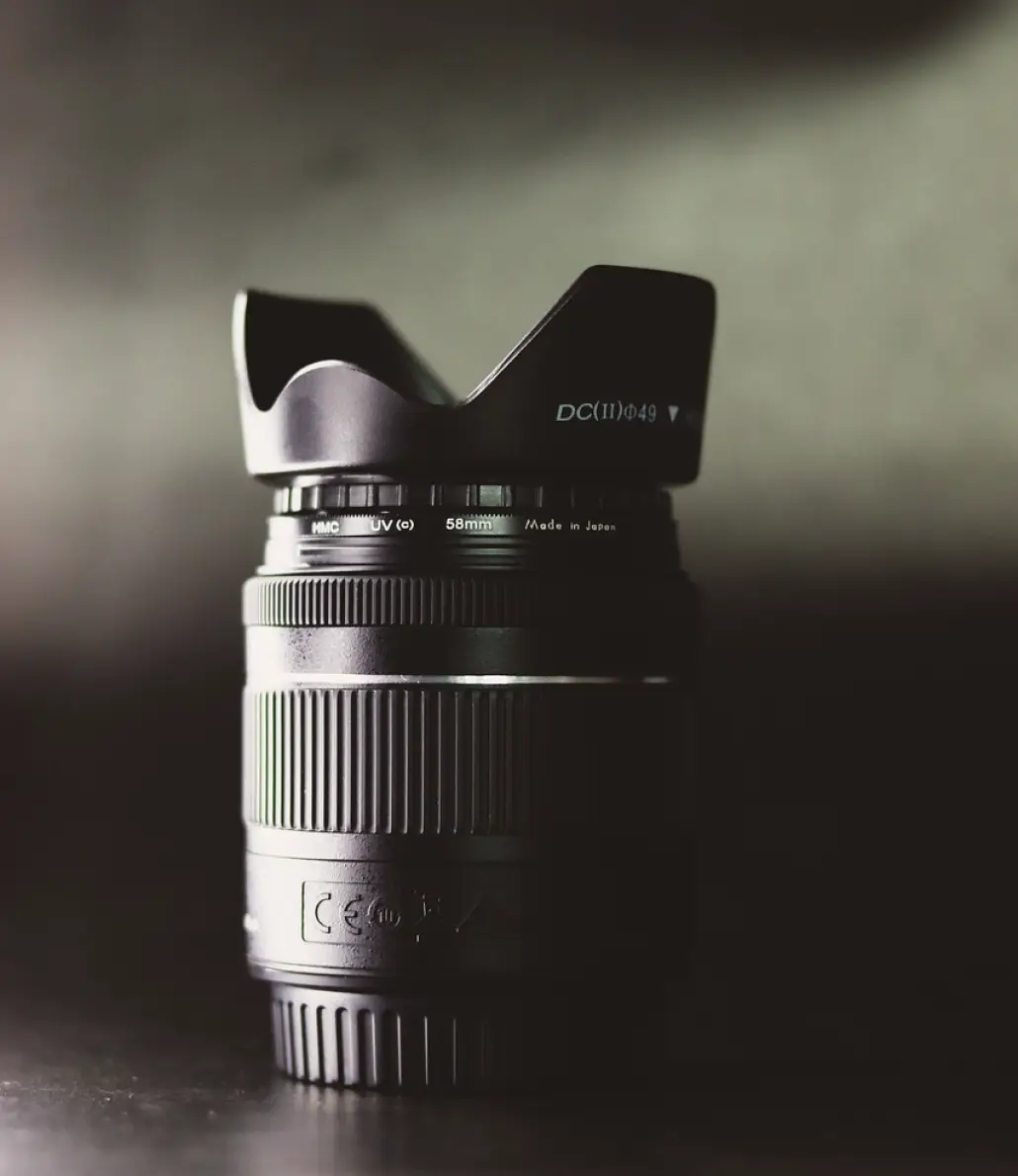
Why the gallery is tested as a whole
A gallery is rarely let down by a single piece of equipment. More often it is the join between two items that causes trouble: an intercom channel that does not reach the replay operator, a graphics output that arrives a frame late, a playout machine that expects a different format from the vision mixer. These faults stay hidden while each system is checked on its own bench.
For that reason our Gallery and Workflow Setup work treats the control room as one system from the first day. Control room layout, intercom, graphics and playout are connected and run together before your first live show, so that the people who will sit at the desks meet the real conditions of a broadcast rather than a tidy demonstration.
I write this as someone who has spent many hours in front of the camera end of that chain. When the gallery is calm, the studio floor feels it immediately, and the crew can concentrate on the pictures.
Starting with the layout of the room
Joint testing is only useful if the room itself suits the people in it. We begin by agreeing who sits where: director, vision mixer, graphics operator, sound, and the producer who needs to see every monitor without leaning over a colleague. Sightlines to the monitor wall and reach to the controls are checked at desk height, not on a drawing.
Daniel Okafor, our Head of Studio Engineering, draws the signal flow alongside the furniture plan, so cable routes and desk positions are settled together. That avoids the common situation where a good layout is spoiled by a cable run that nobody can service without moving a desk.
Once the room is arranged, we seat a small group in their working positions and ask them to talk through a typical programme. Small adjustments at this stage, such as a monitor moved a hand's width or a talkback panel swapped to the other side, cost very little and save a great deal of irritation later.
- Sightlines to the monitor wall checked from every seat
- Desk positions and cable routes agreed together
- Talkback panels placed within easy reach
Intercom: the part nobody notices until it fails
Intercom is the nervous system of a live show. The director needs to speak to camera operators, the floor manager and the gallery team without confusion, and each person needs to hear the right channel at a sensible level. We set up groups and routing according to the way your programme is actually run, then test each path in both directions.
A useful trial is to run the intercom under noise. We play studio ambience and a rehearsal mix through the speakers and ask people to give instructions as they would during a busy segment. Headset comfort, volume limits and the clarity of short commands all show up quickly.
We also check what happens when something goes wrong: a headset unplugged, a channel muted by mistake, a panel rebooted. Knowing how the system behaves in those moments is part of handing it over properly, and the notes we leave describe each one in plain language.
Graphics and playout under real conditions
Graphics and playout are tested with the material your programme will really use: your lower thirds, your opening sequence, your pre-recorded items and the file formats your editors deliver. A system that behaves well with a test card can still stumble on a clip exported with unusual settings.
We run the full chain from the graphics operator's screen to the vision mixer and on to the output, checking timing, aspect ratio, safe areas and colour. Playout is cued, started and stopped repeatedly, including cues given late, because live television is full of late cues.
Where possible we also leave time for the operators to build confidence. Someone who has fired a graphic fifty times in rehearsal handles the fifty-first on air with far less strain, and that familiarity is as valuable as any setting we adjust.
- Your own graphics and clips used for testing
- Timing, aspect ratio and safe areas verified
- Repeated cue and stop sequences, including late cues
The rehearsal that links everything
When the individual checks are done, we run a complete rehearsal with studio, gallery and talent, following the running order of a typical show. This is the stage at which gaps appear that no separate test would reveal, such as a presenter's prompter feed arriving a moment after a graphic, or a guest microphone opened at the wrong cue.
We keep a written log of everything found, assign each item to a person and re-run the affected section until it behaves. Nothing is signed off on a verbal assurance. The aim is a rehearsal that ends without surprises, repeated until it does.
These weeks of mid autumn are a good time for such work. Many broadcasters are preparing for winter schedules, and a gallery that has been properly proven before the busy period begins gives producers one less thing to worry about.
What you receive at handover
At handover you receive the written test results, the final signal flow drawing, labelled documentation for intercom routing and playout settings, and a short guide for your operators written in everyday language. We go through it with your team in the gallery itself, with the equipment running.
If your programme changes later, for instance a new guest format or an added graphics package, the documentation shows what was set and why, so adjustments can be made without guessing. Our engineers remain available to talk through such changes.
The principle behind all of this is simple. A first live show should not be the first time the gallery works as one system. We would rather find the awkward cable, the late cue or the unclear command in rehearsal, quietly, than have you find it on air.
Gallery and Workflow Setup is about removing doubt before a broadcast begins. By wiring layout, intercom, graphics and playout together and rehearsing them as one, we give your crew a room they already know when the red light comes on. If you are planning a new control room or reworking an existing one, the contact page is the place to start a conversation.
Keep reading

A checklist to work through before you commission a studio build
Before drawings are signed off, a producer can settle the questions that decide how a new television studio behaves for years. Helen Marsh sets them out in the order we ask them.
How a Studio Wall Becomes Quiet: Acoustic Treatment on Site
A walk through how we measure, treat and test a room's acoustics, from the first clap in an empty studio to the last talkback check before rehearsal.
Rebuilding a Regional Panel Show Around Four Cameras and One Mixer
Marcus runs a weekly panel programme from a converted hall. This is how we chose his cameras, prompter and vision mixer, and what changed once the first live show was on air.
Send us a message
Email: [email protected]