
What Acoustic Treatment and Audio Costs, and What Moves the Price
A plain look at what sits behind a quotation for studio sound treatment, microphones, mixing and talkback, and which choices make the figure rise or fall.
6 minutes to read
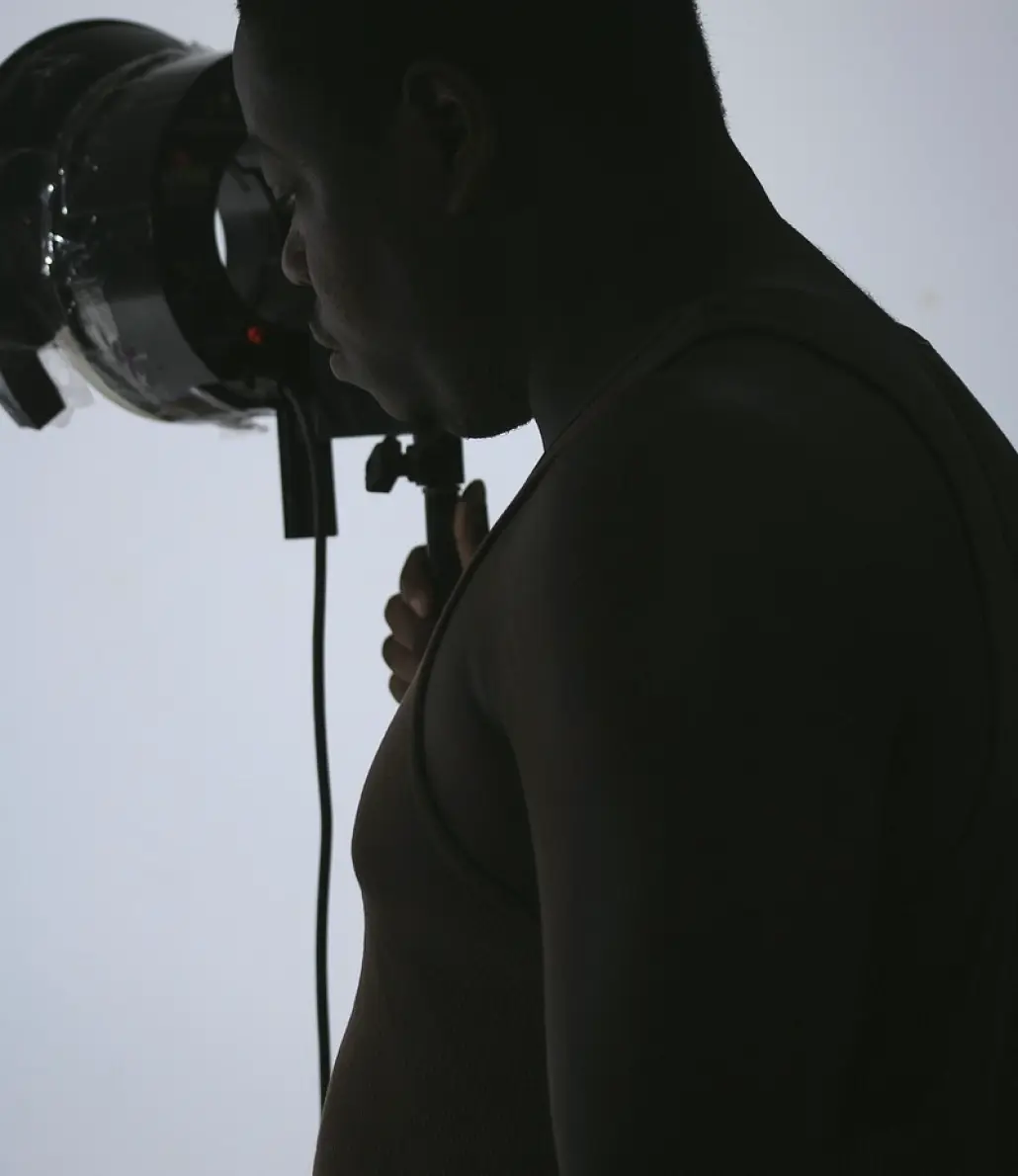
Starting from the room, not the equipment list
When a producer asks what sound treatment will cost, the honest first answer is that it depends on the room. A bare brick warehouse and a plasterboard studio with a carpet and a low ceiling need very different amounts of work, even when the programme being made is identical. Before any figure is written down, we want to know the floor area, the ceiling height, the surfaces and what is happening next door.
Daniel Okafor and the engineering side visit, listen, clap, walk the space and note where the echo gathers. That visit shapes the quotation more than anything else, because treatment is priced by area covered and by the difficulty of fixing it to what is already there.
I am the lighting designer, but I sit in on these surveys often, because a lighting rig and an acoustic plan fight for the same ceiling space. Knowing early where panels and fittings will sit saves rework later, and rework is the most avoidable cost in any fit-out.
- Floor area and ceiling height
- Existing wall and ceiling surfaces
- Noise from outside the room
- Where lights and panels compete for space
What the treatment itself is made of
Wall and ceiling treatment is the largest line in most quotations. Absorbent panels, bass traps in the corners, diffusing surfaces where a room would otherwise sound dead, and heavier materials where sound must be stopped rather than softened. The mix depends on whether the studio is a talking-head news set or a space for panel shows with an audience.
Material grade moves the price noticeably. A fabric-wrapped panel finished to match a set colour costs more than a plain one that will sit out of shot. We ask whether the treatment will appear on camera, because anything visible has to look as considered as the rest of the set.
Fixing method matters too. Panels hung from a grid above the set are quicker and cheaper to install than treatment built into a stud wall, which means opening up the structure, adding insulation and closing it again.
- Absorbers, bass traps and diffusers
- Visible versus hidden treatment
- Fabric and finish choices
- Mounting onto existing walls or building new
Microphones, mixing and talkback
The audio installation side is priced separately from the room. It covers the microphones on desks and stands, any radio systems for presenters who move, the mixing desk, the cabling back to the gallery, and the talkback that lets the director speak to the floor and the floor answer.
A two-chair interview studio needs a modest set. A news programme with a desk, a standing area and a reporter on a remote link needs more inputs, more routing and more testing time. Number of channels and number of simultaneous speakers are the figures that drive this part up or down.
We prefer to specify equipment that suits the way the studio will actually be used, not the longest list available. Where a client already owns microphones or a desk in good condition, we test and reuse them, which can take a real amount off the total.
- Number of microphones and radio packs
- Mixing desk size and routing
- Talkback and intercom points
- Reusing equipment you already own
Labour, testing and the cost of doing it twice
Installation time is a genuine cost. Cabling has to be run neatly, labelled and tested, and treatment has to go up without marking the set. Working hours also matter: a studio in use during the week is easier to fit out in evenings or at weekends, and out-of-hours work is priced accordingly.
Testing is where we spend time that is easy to underestimate. Each run of cable, each microphone and each talkback point is checked against a written plan, then the whole chain is tried together at rehearsal level. This catches hum, phase problems and dead channels before presenters are in the room.
A cheaper quotation that leaves out this checking tends to cost more in the end, because faults surface during a live show. Our figures include the testing and a handover where your team learns the system.
- Evening and weekend access
- Written test plan for every run
- Handover session for your crew
What changes the figure along the way
Quotations are written on what we find at survey, and a few things can move them. Hidden problems behind walls, such as damp or old wiring, add work. A decision to change the set layout after treatment is planned means moving fixings. Adding a second audio position or a new presenter area adds inputs and cabling.
Schedule also plays a part. A fixed handover date ahead of a first broadcast limits how we can sequence the work, and sometimes means more people on site at once. Where there is flexibility, we can plan the build into quieter weeks and keep the cost steadier.
We state in writing what is included and what would count as a change, so a variation is discussed and agreed before work begins, not discovered on the invoice. Prices for each service are on the prices page, and the contact page is the way to ask for a survey.
- Concealed faults found at survey
- Layout changes after planning
- Extra audio positions
- Fixed handover dates
Questions worth asking before you commission
Good questions make a quotation easier to compare. Ask what area of the room is being treated and with what. Ask how many microphone and talkback points are included, and whether radio systems are part of the figure. Ask what testing is done and who does it, and what happens if a fault appears after handover.
Ask also what the quotation assumes about access and timing. A figure that assumes empty evenings is not comparable with one that assumes weekday working. Setting these side by side removes most of the surprise.
If you can tell us the type of programme, the number of people speaking at once and the state of the room, we can give a realistic range after one conversation and a firm figure after the survey. We would rather you understood the quotation fully than agreed to it quickly.
The price of sound treatment and audio follows a short list of things: the room, the materials, the number of microphones and channels, the time needed to fit and test, and any change along the way. None of it is mysterious once it is written out. Send us the details of your space and the programme you plan to make, and we will answer with a written quotation that says what is included.
Keep reading

How to Brief a Live Show Crew So the Day Runs Smoothly
A practical guide to preparing a technical crew for an interview, panel show or live event: what to send beforehand, what to settle on the day, and what to agree afterwards.
Lighting the Studio Through the Darker Months: An Autumn Checklist
As daylight fades and schedules fill, studio lighting deserves a proper check. Daniel Okafor sets out what to review on LED rigs, control desks and set backgrounds before winter broadcasting.
The Fixtures and Methods Behind a Calm Lighting Rig
A look at the LED fixtures, control desks and measuring habits we rely on when lighting news and interview sets, and why each choice keeps faces natural and studios cool.
Send us a message
Email: [email protected]