
The Fixtures and Methods Behind a Calm Lighting Rig
A look at the LED fixtures, control desks and measuring habits we rely on when lighting news and interview sets, and why each choice keeps faces natural and studios cool.
6 minutes to read
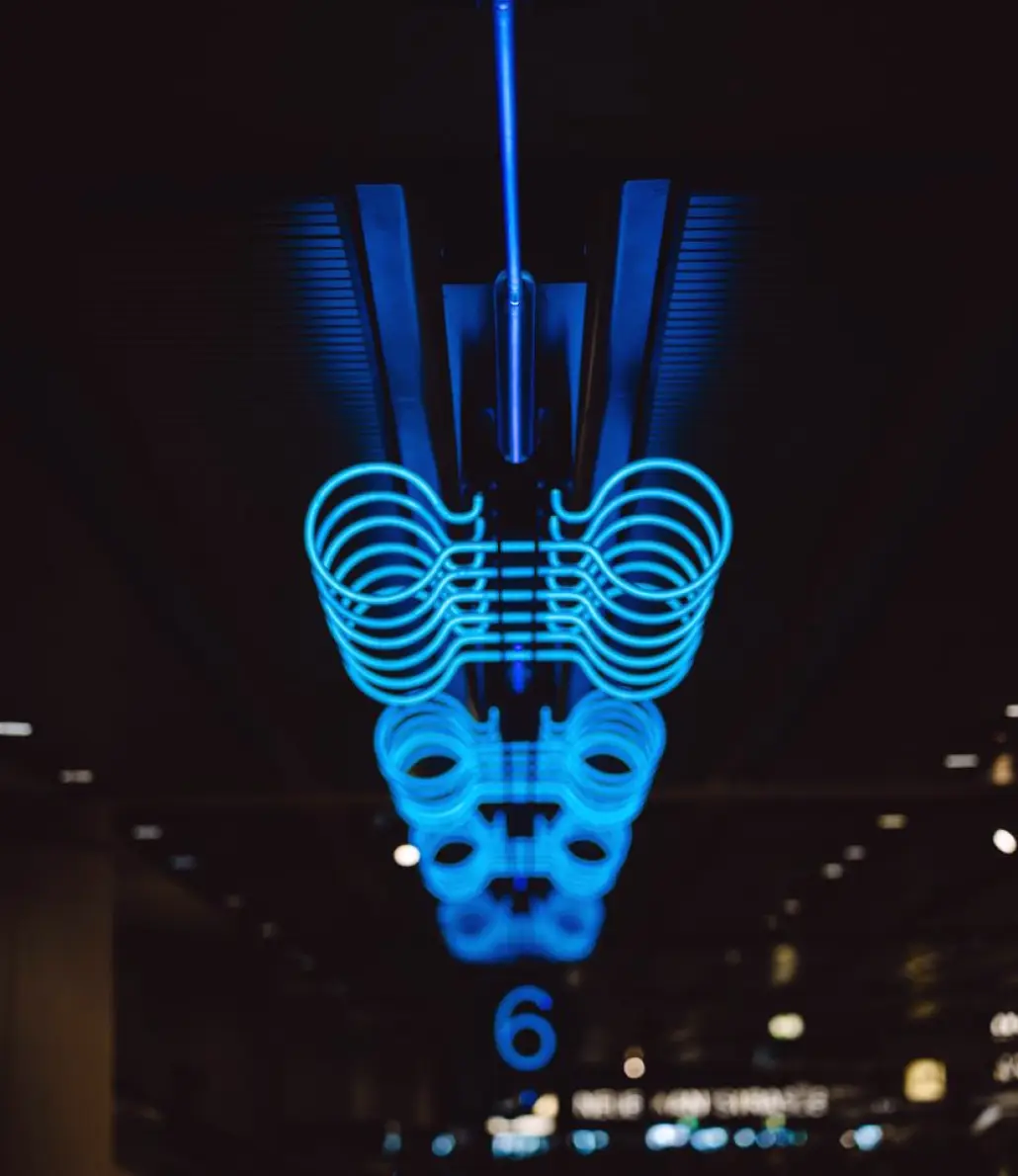
Why we start with the fixture, not the set
When a producer asks us to light a studio, the first thing we settle is which fixtures will hang over it, because everything else follows from that choice. We use LED luminaires with adjustable colour temperature, and we favour units whose output stays steady when dimmed. A fixture that shifts colour as it dims will make a presenter look slightly different from one segment to the next, and viewers notice that even if they cannot say why.
Heat is the other reason we begin there. Older tungsten rigs warmed the room, tired the guests and pushed the air conditioning to its limit. LED units draw far less power and leave the studio comfortable through a long rehearsal and a live hour on top. That also means lower running costs for the client and less strain on ventilation, which matters when the same room has to stay quiet for microphones.
We keep a short list of fixture types we trust, and we are open about which ones suit which sets. A compact news desk, a talk sofa and a wide panel table each ask for something different from the light above them.
- Adjustable colour temperature
- Stable output when dimmed
- Low heat and low power draw
- Quiet operation near microphones
Soft sources for faces, harder ones for depth
For faces we rely mainly on large soft sources placed above and slightly to the side of the camera. A soft panel wraps light around features and forgives tired skin, which is exactly what a morning programme needs. We add diffusion where a unit is too crisp, and we check the result on a monitor rather than trusting our eyes, because a camera sees contrast differently from a person standing in the room.
Harder, focused fixtures do a different job. We use them to carve a presenter away from the backdrop, to pick out texture in a wall panel or to give a logo a clean edge. Priya Shah, our lighting designer, tends to keep the back light modest so that hair has a defined edge without a glowing halo.
The balance between the two is the craft. Too flat, and the set looks like a corridor. Too contrasty, and a guest in a pale shirt will drag the exposure around.
- Soft key above and off axis
- Focused back light for separation
- Diffusion added only where needed
Control desks and the habit of saving scenes
A lighting control desk is only as useful as the scenes stored on it. For every studio we programme named looks, such as a news open, an interview two-shot, a wide panel and a clean rehearsal state, and we label them plainly so that a technician new to the room can recall them without guesswork. We would rather have six dependable scenes than sixty clever ones.
We also set the desk up so that the crew cannot easily wreck a good look by accident. Protected channels, sensible fader groupings and a printed layout card near the desk mean a change of shift does not mean a change of picture. During handover we sit with the studio team and walk through every scene until they are comfortable adjusting it themselves.
Where a show changes format often, we leave room on the desk for new scenes instead of overwriting the old ones.
- Named scenes with plain labels
- Protected channels on the desk
- Printed layout card for each shift
Measuring light instead of guessing at it
We carry a light meter and a colour meter on every installation, and we use them. Readings on the presenter's face, on the backdrop and on the desk surface give us numbers to compare against the camera's exposure. If the key reads well but the desk is a stop brighter, a white script page will glare on screen, and we would rather find that in rehearsal than on air.
Camera settings are agreed with the vision engineer first, so we light to a known exposure instead of chasing it. Then we walk a stand-in through each position, because a seated guest and a standing presenter sit in different places under the same rig. Daniel Okafor's test plan for the studio includes a lighting check alongside the signal and audio tests, so nothing is signed off in isolation.
These small routines are unglamorous, but they are why a rig behaves the same in November as it did on the first day.
- Light and colour meter readings
- Exposure agreed with vision first
- Stand-ins walked through each position
Rigging, cabling and keeping the grid tidy
Good light depends on how it is hung. We plan the grid or the bars so that every fixture can be reached safely, and we use safety bonds and rated clamps on everything overhead. Cable runs are kept separate from audio lines where possible, and each fixture is labelled at both ends. A tidy grid saves hours when a lamp needs swapping during a busy season.
We think about the dark months too. As the evenings draw in, studios that share a building with offices or a venue often find daylight leaking through doors and windows at odd hours, and that changes how a rig reads on camera. We check for stray light during the rehearsal, close it off where we can and note it in the handover paperwork.
The aim is a rig that your own crew can maintain without calling us for every small change.
- Rated clamps and safety bonds
- Labelled cable at both ends
- Stray daylight checked during rehearsal
What we leave to the client's own preferences
Not every choice is ours to make. Some presenters like a warmer look, some producers want a cooler, crisper one, and a channel's established house style may rule out our first suggestion. We show options on a monitor and let the programme team decide, because they live with the picture every day and we do not.
What we do insist on is that the choice is made deliberately and written down. A short lighting note, with fixture positions, colour temperatures and scene names, travels with the handover so that a future designer or engineer can reproduce the look. That document costs us an hour and often saves the client a great deal more.
If you are weighing up a rig for a new or refreshed studio, bring your current footage and we will work from what you already like.
A reliable lighting rig comes from ordinary tools used carefully: steady LED fixtures, soft sources for faces, a desk with a few honest scenes, and meters that settle arguments. None of it is flashy, and that is the point. When the light behaves, the presenters look like themselves and the crew can concentrate on the programme. If your studio needs that kind of calm, we are glad to talk it through.
Keep reading
Before You Book a Technical Crew: A Checklist for Live Shows
Questions to settle before hiring a crew for an interview, a panel show or a season of live programmes, from roles and rehearsal time to handover and cover.
What Acoustic Treatment and Audio Costs, and What Moves the Price
A plain look at what sits behind a quotation for studio sound treatment, microphones, mixing and talkback, and which choices make the figure rise or fall.
Send us a message
Email: [email protected]