

What we build and support
Studio Design and Fit-Out
We plan the studio layout, cabling and furniture, then manage the build from first drawings through to handover, so the room suits the programmes you make and the people who work in it.
Camera and Vision Systems
We supply and set up studio cameras, robotic heads, prompters and vision mixing for live programmes, and make sure your operators are comfortable with every control before the first broadcast.
Lighting Design
We arrange LED rigs and control desks for flattering faces, clean backgrounds and low heat, so presenters look natural on camera and the studio stays comfortable through long recordings.
Acoustic Treatment and Audio
We treat walls and ceilings to control reverberation, and install microphones, mixing and talkback, so speech stays clear on air and the crew can hear each other during live programmes.
Gallery and Workflow Setup
We lay out the control room and fit intercom, graphics and playout systems, then test them together under rehearsal conditions, so nothing surprises your team during the first live show.
Live Show Crew Support
Our experienced technical crews support interviews, panel shows and live events, booked by the day or across a season, and work alongside your producers to keep each broadcast steady.
How we approach every studio
Reliability
Every installation is checked against a written test plan, and we rehearse failure points before air. Your broadcast should depend on the system working, not on someone being nearby to rescue it.
Clarity
We explain signal paths, layouts and costs in plain language, and leave documentation your team can read. You always know what has been installed, why it sits where it does and how to run it.
Craft
Neat cable runs, balanced lighting and well-placed microphones come from care over small details. We would rather spend an extra hour on a rack or a lamp angle than leave a compromise.
From first conversation to first live show
Most projects begin with a conversation about what you broadcast, how often and with how many people. We ask about presenters, guests, the space available and any equipment you already own, because a good plan starts from your programmes rather than from a catalogue.
From there we visit the room or review the drawings, then put together a written proposal covering layout, equipment, cabling, lighting and sound. We explain the reasoning behind each choice, and you can adjust the scope before anything is ordered.
During the build, Daniel's engineering team works to a test plan that covers signal flow, intercom, playout and power. Priya sets lighting against real cameras and skin tones, so the picture is checked on the screens you will actually use.
Before handover we run a full rehearsal with your own presenters and crew, as if the programme were live. Problems found at that stage are far cheaper and calmer to fix than those discovered on air.
After the first broadcasts we remain available for adjustments and support, whether that means a lamp change, a revised talkback setup or a crew for a busy week. The studio should keep working as your programmes change.
Practical reasons producers choose fameova
Our work is built around live conditions, where a missed cue or a hum on a microphone is heard by the whole audience. These are the habits that keep our studios dependable.
Written test plans
Every build is checked against a documented plan, so you can see what was tested, how it passed and what was adjusted.
Specialists in each field
Engineering, lighting and camera work are led by people who do them daily, rather than by a generalist covering everything.
Calm rehearsals
We rehearse with your crew before the first live show, giving everyone time to learn the room and settle their routines.
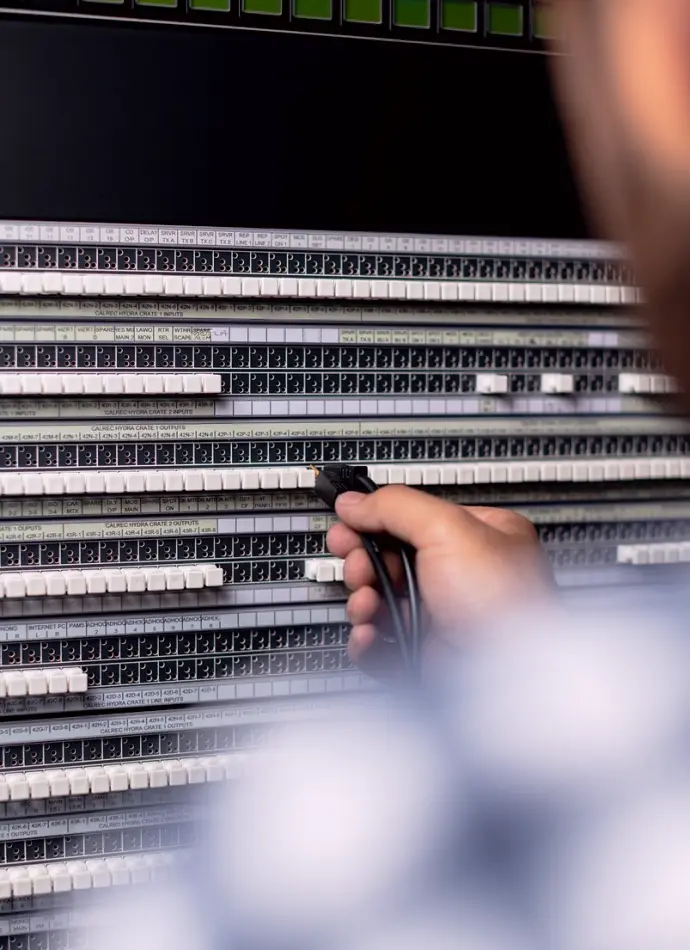
Equipment that fits
We recommend what suits your programmes and budget, and work with kit you already own wherever it still does the job.
Support after handover
You can call us with questions once the studio is running, and we can send crews when your schedule gets busy.
Plain written quotes
Proposals set out what is included and what could change the cost, so there are few surprises when the invoice arrives.
Questions we are often asked
Here are straightforward answers to the things producers usually want to know before getting in touch. If yours is not covered, send us a message and we will reply.
Can you work with equipment we already own?
Yes, wherever it still suits your programmes. We review what you have, test it, and tell you honestly what is worth keeping and what would limit the picture or sound. The proposal then builds around existing kit rather than replacing it for the sake of it.
Do you only build new studios?
No. Many projects upgrade part of an existing studio, such as replacing lighting with LED, improving acoustics or rebuilding a gallery. We can also support a studio that is already running, with crews or help on a specific system.
How long does a studio project take?
It depends on the size of the room and the systems involved, so we give a realistic timetable in the written proposal. A lighting or audio upgrade is much shorter than a full fit-out. We agree the schedule with you before work begins.
How do you price a project?
Prices depend on scope, equipment and site conditions. We prepare a written quotation after discussing your needs, and the Prices page explains what is included and what changes a figure. Payment is by invoice and bank transfer.
Can you supply a crew for a single event?
Yes. Our technical crews work on interviews, panel shows and live events, booked for a day or across a season. Tell us the format, venue and number of cameras, and we will propose a crew to match.
Will you train our own operators?
We run handover sessions on the equipment we install, and Tom can coach camera operators in dynamic framing. Your team should leave rehearsals knowing the room, the controls and what to do if something misbehaves.
Do you work outside Gloucestershire?
We are based in Gloucester, and travel to sites elsewhere when the project calls for it. Travel is set out in the written quotation, so you can see it as a separate line before agreeing anything.
What happens if something fails during a live show?
We design with backup paths and rehearse likely faults before handover, so most problems can be bypassed quickly. If you have booked crew support, an engineer is on hand to deal with it while the programme continues.
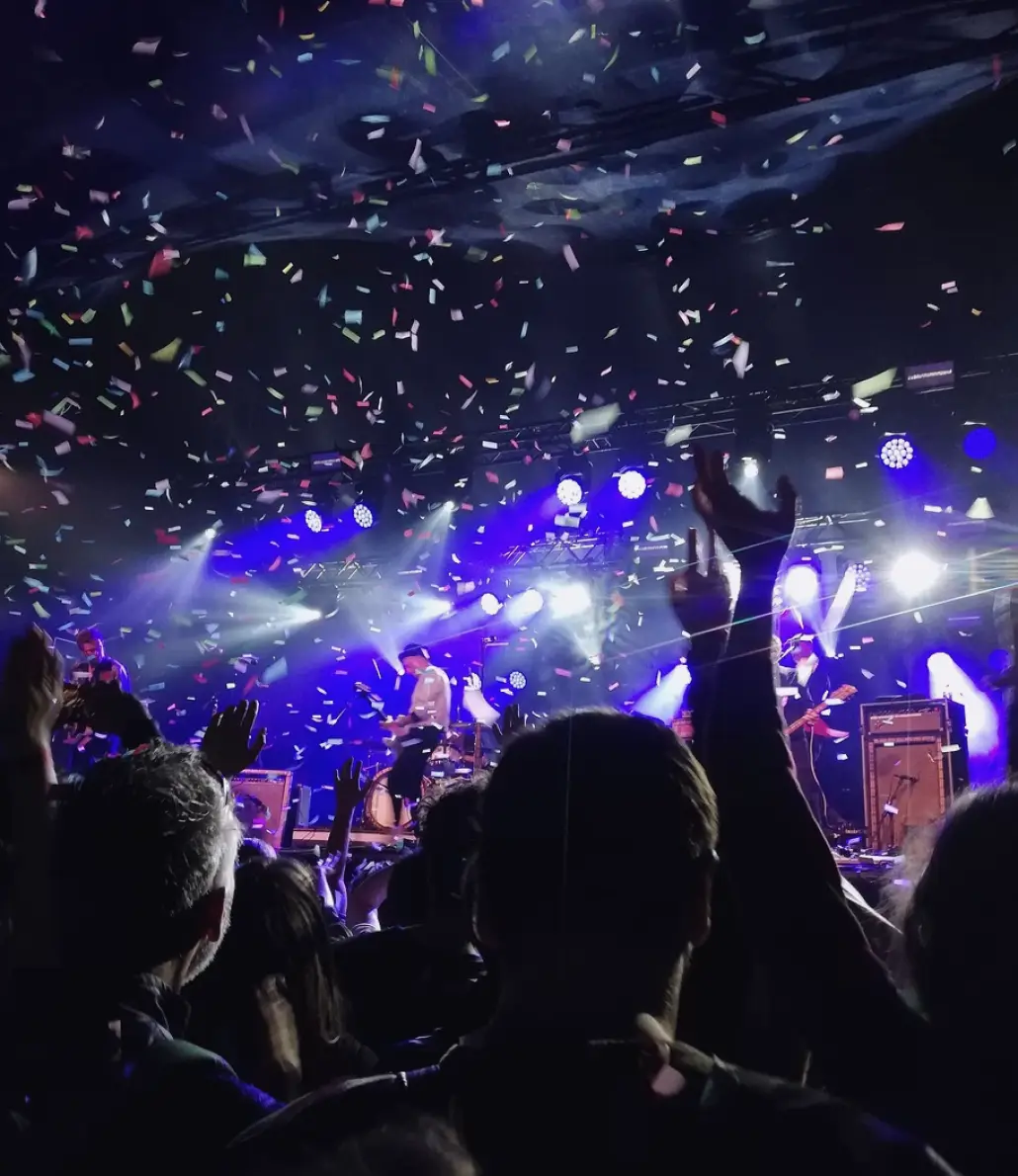
Crew Support
How to Brief a Live Show Crew So the Day Runs Smoothly
A practical guide to preparing a technical crew for an interview, panel show or live event: what to send beforehand, what to settle on the day, and what to agree afterwards.

Studio Design
A checklist to work through before you commission a studio build
Before drawings are signed off, a producer can settle the questions that decide how a new television studio behaves for years. Helen Marsh sets them out in the order we ask them.
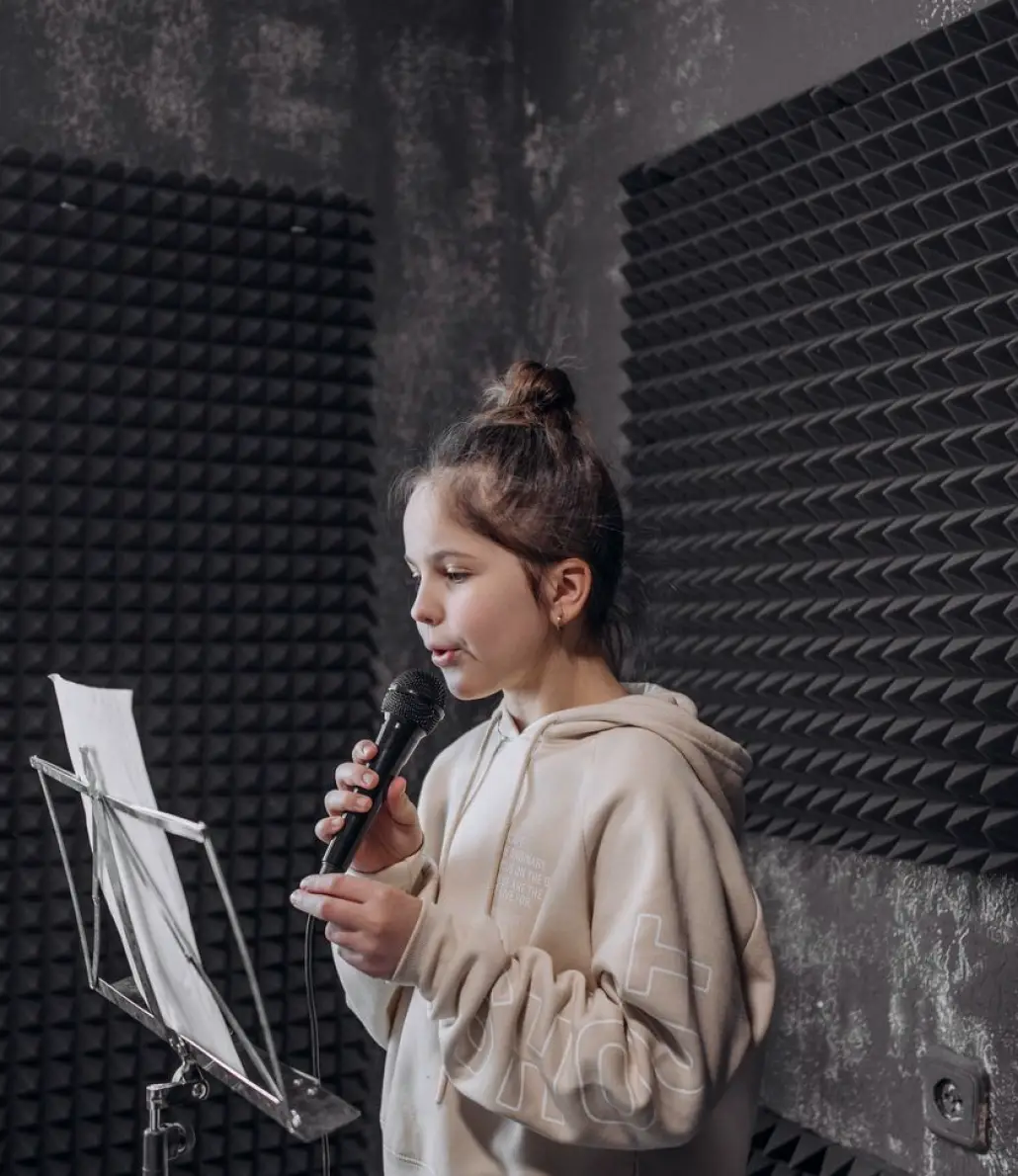
Studio Audio
Six Acoustic Mistakes in Television Studios and How to Avoid Them
Daniel Okafor walks through the errors we meet most often when studios are treated and wired for sound, from foam in the wrong place to talkback left until last.
Tell us about the studio you want to run
Send a message through the contact page describing your programmes and space. We will reply with questions and, once the scope is clear, a written quotation covering the services you need.
ContactSend us a message
Email: [email protected]